 Getting Wild Nutrition from Modern Food
Grassfarming and Your Health
As you will learn from the articles below, switching to products from pastured animals will enrich your diet with a host of key nutrients, including beta-carotene; vitamins B12 and E; CLA; another newly discovered "good" fat called "TVA;" omega-3 fatty acids; and lutein. Meanwhile, it will reduce your intake of synthetic hormones, pesticides, total fat, saturated fat, cholesterol, and pro-inflammatory omega-6 fatty acids. As an added bonus, you will be decreasing your risk of becoming ill from harmful E-coli bacteria and eating tissues from cattle infected with "mad cow's disease." Browse the articles:
|
Lambs raised on pasture are higher in protein, lower in fat
A team of scientists from the USDA compared grassfed lambs with lambs fed grain in a feedlot. They found that "lambs grazing pasture had 14% less fat and about 8% more protein compared to grain-fed lamb." The researchers acknowledged that "consumer desires for healthier meats have shifted the emphasis to leaner, trimmer carcasses.." and that raising more sheep on pasture will "benefit our economy by reducing reliance upon expensive grain supplements..." For more information, refer to Autumn-grazed Orchardgrass-white Clover Pasture: Nutritive Value Of Herbage And Lamb Performance

Why Grassfed Cheese Is Better
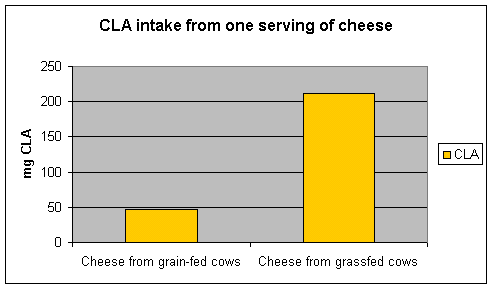
Cheese from grassfed cows is more than four times richer in conjugated linoleic acid—a cancer-fighting, fat-reducing fat—than cheese from standard, grain-fed cows. (Dhiman, T.R., "Conjugated linoleic acid: a food for cancer prevention." Proceedings from the 2000 Intermountain Nutrition Conference, pages 103-121.)
Why Grassfed Butter Is Better
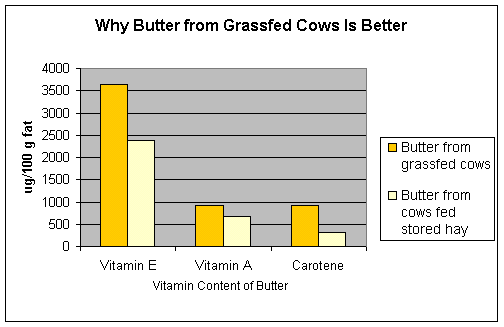
Because living grass is richer in vitamins E, A, and beta-carotene than stored hay or standard dairy diets, butter from dairy cows grazing on fresh pasture is also richer in these important nutrients. The naturally golden color of grassfed butter is a clear indication of its superior nutritional value. (Searles, SK et al, "Vitamin E, Vitamin A, and Carotene Contents of Alberta Butter." Journal of Diary Science, 53(2) 150-154.)
Two new studies suggest that grassfed meat and dairy products may reduce the risk of breast cancer
CLA (conjugated linoleic acid) is a cancer-fighting fat that is most abundant in grassfed products. Two new European studies link a diet high in CLA with a lower risk of breast cancer. In Finland, researchers measured CLA levels in the serum of women with and without breast cancer. Those women with the most CLA had a significantly lower risk of the disease. Meanwhile, French researchers measured CLA levels in the breast tissues of 360 women. Once again, the women with the most CLA had the lowest risk of cancer. In fact, the women with the most CLA had a staggering 74% lower risk of breast cancer than the women with the least CLA.
The most natural and effective way to increase your intake of CLA is to eat the meat and dairy products of grassfed animals.
(A. Aro et al, Kuopio University, Finland; Bougnoux, P, Lavillonniere F, Riboli E. "Inverse relation between CLA in adipose breast tissue and risk of breast cancer. A case-control study in France." Inform 10;5:S43, 1999)
Eggs from free-range hens are higher
in folic acid
and vitamin B12
Now there's another good reason to purchase eggs from pastured poultry farmers: you may be getting more folic acid and vitamin B12, two very important vitamins. This information comes from a British study published in 1974. At the time, British consumers were concerned about the trend toward factory farming. Specifically, they thought factory eggs might not be as nutritious as eggs from free-ranging birds. An elaborate study confirmed their suspicions. The eggs from free-range hens contained significantly more folic acid and vitamin B12, as you can see by the graph below.
The researchers also looked for differences in the fatty acid content of the eggs but did not find any. Now we know why. In the 1970s, little was known about the benefits of omega-3 fatty acids, so the researchers didn't even bother to look for them in the eggs.

(A. Tolan et al, "Studies on the Composition of Food, The chemical composition of eggs produced under battery, deep litter and free-range conditions." Br. J. Nutrition, (1974) 31:185.)
The more milk a cow produces, the more dilute the vitamin content of her milk
The goal of the commercial dairy industry is to coax the maximum amount of milk out of each cow through a high-tech combination of selective breeding, confinement housing, synthetic hormones, and a high-energy grain diet. It has succeeded admirably. Today's super cows produce as much as 17,000 pounds of milk per cycle—20 times more milk than a cow needs to sustain a healthy calf. Unfortunately for consumers, the cow transfers a set amount of vitamins to her milk, and the greater her milk volume, the more dilute the vitamin content of the milk, especially vitamins E and beta-carotene. According to the journal article cited below, "It follows that continuing breeding and management systems that focus solely on increasing milk and milk fat yield will result in a steady dilution in the milk fat of these vitamins and antioxidants..."
Dairy cows raised on pasture and free of hormone implants produce less milk than commercial cows, but the milk is therefore richer in vitamin content. This is one of those times when less is more.
(Jensen, S. K. "Quantitative secretion and maximal secretion capacity of retinol, beta-carotene and alpha-tocopherol into cows' milk." J Dairy Res 66, no. 4 (1999): 511-22. )
Milk from grassfed cows has hidden benefits
Until recently, all of the experiments demonstrating the cancer-fighting properties of CLA (conjugated linoleic acid) have used synthetic CLA. To see whether the CLA that occurs naturally in cow's milk has similar cancer-fighting properties, researchers recently compared the two. They fed one group of rats butter that was high in CLA and fed another group of rats an equivalent amount of synthetic CLA. As one would expect, the natural CLA proved to be just as effective in blocking tumor growth as the man-made variety. (In both cases, cancer yield was reduced by about 50 percent.) However, the high CLA butter had an added benefit: the rats eating the butter accumulated even more CLA in their tissues than the rats fed an equivalent amount of synthetic CLA. The reason? Researchers believe that the rats were converting another "good" fat found in the butter, trans-vaccenic acid or TVA, into CLA, giving them a second helping of this cancer-fighting fat. (Click here for more information about TVA.)
(Ip, C., S. Banni, et al. (1999). "Conjugated Linoleic Acid-Enriched Butter Fat Alters Mammary Gland Morphogenesis and Reduces Cancer Risk in Rats." J Nutr 129(12): 2135-2142.)
New Zealanders try to satisfy Japanese market and lose valuable nutrients.
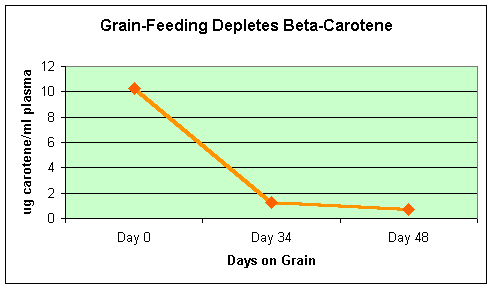
Japanese importers place a premium on beef with ultra-white fat, which is difficult for New Zealand ranchers to achieve because they fatten their cattle on pasture. (Grass is rich in the antioxidant vitamin beta-carotene, which lends a healthy, creamy color to meat fat.) In a recent experiment, New Zealand researchers experimented with taking cattle off pasture and fattening them American-style on grain. Because grain is more expensive in New Zealand than it is in the States, grain-feeding was limited to less than 2 months. The experiment failed. The fat color did not change appreciably, even though serum levels of beta-carotene dropped 97 percent. What's more, 1) the animals weighed less than animals that were allowed to stay on pasture, 2) their meat was tougher, and 3) the meat lost more moisture when cooked.
The scientists concluded that animals need to be fed grain for a longer period of time to use up all the beta-carotene stored in the fat. Also, longer grain-feeding is required to overcome the initial weight loss of cattle that are switched from pasture to a feedlot diet. The increased toughness was unexpected and without explanation.
("Short-term Grain Feeding and its Effect on Carcass and Meat Quality." Proceedings of the New Zealand Grasslands Association 1997. 57:275-277. )
Pastured Poultry Get a Bounty of Vitamin E from Grass
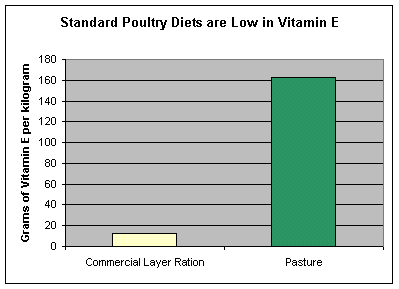
Standard poultry feed is supplemented with small amounts of vitamin E. But as you can see by the graph below, it doesn't come close to the bounty of vitamin E that chickens glean from fresh pasture. This vitamin E gets passed on to the consumer. An egg from a pastured hen has 30 percent more vitamin E than the kind you buy in the supermarket.
(Lopez-Bote et al, "Effect of free-range feeding on omega-3 fatty acids and alpha-tocopherol content and oxidative stability of eggs." Animal Feed Science and Technology, 1998. 72:33-40.)
Grassfed meat has a similar fat profile to wild game
When cattle are free to forage on their natural diet of grass, their meat is almost as lean as wild game. The graph below shows that grassfed beef has an overall fat content similar to antelope, deer, and elk.

This second graph shows that grain-fed beef has a much higher ratio of omega-6 to omega-3 fatty acids than wild game or grass-fed beef. A high ratio of omega-6 to omega-3 fatty acids has been linked with an increased risk of cancer, cardiovascular disease, allergies, depression, obesity, and auto-immune disorders. (Simopoulos and Robinson, The Omega Diet, published by HarperCollins in 1999.) A ratio of four or lower is considered ideal. The ratio in grain-fed beef is more than 14 to 1. In grassfed beef, it is approximately two to one.

(Data for both graphs comes from G.J. Miller, "Lipids in Wild Ruminant Animals and Steers." J. of Food Quality, 9:331-343, 1986.)
Feedlot cattle fattened on stale gummy bears
Some commercial feedlots feed stale candy to cattle in an effort to reduce costs. According to a recent review, milk chocolate and candy "are often economical sources of nutrients, particularly fat. They may be high in sugar and/or fat content. Milk chocolate and candy may contain 48% and 22% fat, respectively. They are sometimes fed in their wrappers. Candies, such as cull gummy bears, lemon drops, or gum drops are high in sugar content." The article recommends that "upper feeding limits for candy or candy blends and chocolate are 5 and 2 lb. per cow per day, respectively."
As long as beef producers are not accountable for the ultimate nutritional value of the meat, they will continue to formulate feedlot diets on a least cost basis and American consumers will continue to eat meat that is artificially high in fat and low in vitamin E, beta carotene, omega-3 fatty acids, and CLA.
("By-Product
Feedstuffs in Dairy Cattle Diets in the Upper Midwest."
Randy D. Shaver, Ph.D.
Associate Professor, Extension Nutritionist, Department of Dairy Science,
College of Agricultural and Life Sciences, University of Wisconsin)
Grassfed Jerky
Beef and buffalo jerky fit well into a busy lifestyle. Jerky needs no refrigeration and can be easily tucked into a pocket, purse, or lunch bag to provide a satisfying, high-protein snack. When the jerky is made from the meat of grassfed animals, you're also getting superior nutritional value and no questionable additives.
If you're purchasing grassfed meat in quantity, consider making your own jerky. Be aware, however, that most traditional recipes do not specify the high temperatures necessary to eliminate the risk of E. coli and other pathogenic organisms. To solve the problem, food scientists from Colorado State University Cooperative Extension developed three different recipes for making safe jerky at home. You'll find the recipes on line at SafeFood Rapid Response Network.
No time to make jerky? Order it ready made from one of five different suppliers in the Eat Wild Pastured Products Directory (Click on the directory and then use your browser to search in the page for the word "jerky.")
Feed them grass, not grease!
In yet another short-sighted experiment, researchers at Washington State University are feeding recycled restaurant grease to feedlot cattle in an attempt to raise the CLA levels of their meat. Although grease will indeed enhance CLA levels, it cannot compete with grass when the total nutritional value of the meat is taken into consideration. Meat from cattle raised on grass and legumes is not only five times higher in CLA than meat from feedlot cattle, it is also higher in vitamin E, beta carotene, and omega-3 fatty acids. Also, restaurant grease is high in a type of fat called "linoleic acid" or LA that is known to stimulate tumor growth. Although grease-fed cattle will have more of the cancer-fighting CLA, they will also have higher levels of the cancer-promoting LA, perhaps canceling out the anticipated benefits.
Comments: As long as researchers focus on artificial ways to raise CLA levels in animals, we will continue to have beef that is nutritionally inferior in other areas. We will also be plagued with all the problems linked with the feedlot industry including nutrient leaching, odor, diseased animals, and the indiscriminate use of growth promoting hormones and antibiotics.
Grassfed bison — the original "Happy Meal?"
Martin Marchello at the Carrington Research Extension Center has found that grassfed bison have as much as four times more selenium (an essential trace mineral) than grainfed bison. Eating just three ounces of grassfed bison, for example, can give you over 100 mcg. of selenium, which is several times the daily minimum requirement.
Most of the selenium research has focused on its potential to reduce the risk of cancer, but a 1990 study found that selenium also promotes a sunnier disposition! In this study, volunteers were given either 100 micrograms of selenium or a sugar pill. Those who were given the selenium noticed an improved mood in just two weeks. Eating a small portion of grassfed bison on a daily basis should produce the same results.
(Benton, D. and R. Cook (1990). "Selenium supplementation improves mood in a double-blind crossover trial." Psychopharmacology 102(4): 549-50.)
New findings on CLA clarify the benefits of meat and dairy products
Conjugated linoleic acid or CLA has demonstrated a multitude of benefits in animal studies, including fat reduction, increase in lean muscle mass, reduced risk of diabetes, reversal of arteriosclerosis, and a marked reduction in tumor growth.
Many people do not realize, however, that there are 16 different types of CLA, each with a slightly different molecular shape. New research reveals that each type of CLA has a different set of benefits. The type of CLA most abundant in meat and dairy products (referred to by chemists as "cis-9, trans-11, CLA") appears to be the champion cancer fighter. Compared with another common type of CLA (trans 10, cis 12, CLA) it was a third more effective in blocking the growth of human cancer cells. (78% versus 58% reduction)
But the type of CLA found in meat and dairy products does not appear to reduce fat or increase lean muscle mass in humans. (That property is linked with trans 10, cis 12, CLA)
It will be some time before researchers match each type of CLA with its particular benefits.
(Information gleaned from abstracts presented at the 91st American Oil Chemists Society April 25-28, 2000 annual meeting. Special supplement to Inform, vol 11, no 5, 2000)
French cheese has more CLA than ordinary American cheese
French cheeses are among the most carefully crafted and coveted in the world. Now there's another reason to seek them out: they're especially high in cancer-fighting CLA . A 1998 survey found that CLA levels in French cheese range from 5.3 to 15.8 mg/g of fat. American cheese from conventional dairies has half this amount, with levels ranging from 2.9 to 7.1. The reason? Typically, American dairies raise their cows in confinement and feed them a grain-based diet. French dairies are more likely to raise their cows on pasture, resulting in naturally high levels of CLA
Fortunately, cheese from American pasture-based dairies has the same CLA advantage as French cheese. Search the Eat Wild Pastured Products Directory for cheese suppliers and treat yourself to an extra helping of CLA.
(JAOCS 75, 343352 (1998))
TVA — yet another good fat in grassfed products?
Evidence is mounting that dairy products from grassfed cows supply yet another "good" fat to our diet---trans-vaccenic acid or TVA. Technically, TVA is classified as a "trans-fatty acid," a type of fat nutritionists tell us to avoid. But TVA appears to behave differently from the man-made fat that comes from the hydrogenization of vegetable oil. Unlike the trans-fatty acids found in fast foods and margarine, TVA is not linked with an increased risk of cardiovascular disease and may help inhibit tumor growth and obesity.
Interestingly, TVA may perform these feats by being converted into CLA in our own bodies. In fact, dairy scientist David Schingoethe from South Dakota State University suggests that eating diary foods high in TVA may be a more effective way to increase CLA levels than ingesting CLA itself.
Schingoethe and colleagues are experimenting with increasing TVA in dairy cows by feeding them fish meal and soybeans. But raising cows on fresh pasture and withholding all grain may prove just as effective. In fact, grassfed cows produce milk that is naturally high in both CLA and TVA, a potentially lifesaving combination. Stay tuned!
(To learn more, read "Making Milk Better," by Jamie Lammers.)
The Irish are making the most of their "unfair" advantage
Milk from grassfed Irish cows is 2–3 times higher in conjugated linoleic acid (CLA) than milk from grainfed American cows. Experiments are underway in Ireland to increase this CLA advantage. Recent experiments show that feeding oilseeds to grassfed dairy cows boosts their CLA production even more. Rapeseeds (the seeds that make canola oil) increase the CLA content of the milk an extra 60%. (To read more, refer to "Milk and Dairy Products for Better Human Health," by D. McDonagh, et al.)
The Irish get added health benefits from their grassfed
beef as well, according to a soon-to-be-published study. Compared with animals
fed supplemental grain, meat from cattle raised on pasture alone was lower
in saturated fat, but higher in the "good fats," including monounsaturated
fats, omega-3 fats, and CLA. Commented the researchers,
"These data indicate that many Irish beef producers, due to their grass-based
production systems, have a natural advantage in producing beef that is more
beneficial to human health than beef produced from concentrate-based systems."
(For study details, refer to R&H
Hall Technical Bulletin Issue No. 4 ~1999)
(French, P., Stanton, C., Lawless, F., O'Riordan, E.G., Monahan, F., Caffrey, P.J. and Moloney, A.P. 1999a. Fatty acid composition, including conjugated linoleic acid, of intra-muscular fat from steers offered grazed grass, grass silage or concentrate-based diets. Journal of Animal Science. Submitted)
The deadliest form of E. Coli is more common than originally thought. Fortunately, grassfed animals are much less likely to transmit the disease.
A study in the March 28th, 2000 issue of the Proceedings of the National Academy of Sciences reports that as many as one out of every three cattle may play host to the deadliest strain of E. coli bacteria ( 0157:H) This is ten times higher than earlier estimates.
As explained in more detail in Why Grassfed Is Best!, feeding cattle their natural diet of grass instead of grain greatly reduces the risk of disease transmission. Why? First, it keeps the overall bacteria count low. Second, it prevents the bacteria from becoming acid resistant. Acid-resistant bacteria are far more likely to survive the acidity of our normal digestive juices and cause disease. The first graph below illustrates the absolute numbers of E. coli bacteria found in grassfed versus grainfed animals. The second graph shows how many of the bacteria are likely to withstand our gastric juices. (Note: Grassfed animals have so few acid-resistant bacteria that the number fails to register on the scale of the graph.)
One of the lead researchers on the project, USDA microbiologist James Russell, told a reporter for Science Magazine, "We were absolutely shocked by the difference. WE never found an animal that didn't agree with the trend."
You should still take the normal precautions when handling and cooking grassfed meat, however. As few as ten E. coli bacteria can cause disease in people with weakened immune systems.


(Diez-Gonzalez, F., et al. (1998). "Grain-feeding and the dissemination of acid-resistant Escherichia coli from Cattle." Science 281, 1666-8.)
Consumers are searching for healthier eggs
Pastured poultry producers take heart: Consumers are finally getting the message that some eggs are better than others. In 1999, sales were up 50% for "all natural" eggs and 37.5% for "organic" eggs, according to Alan Andrews, an industry analyst. The fact that specialty eggs cost about twice as much as ordinary eggs ($2.20 versus $1.09 a dozen) has not been a deterrent. Andrews predicts that "this segment will see accelerated growth in 2000 and may hit 50MM units."
("Retail Fresh Eggs: Which Came First, Increased Consumption or Increased Sales?" by Alan Andrews, Pactiv Corporation.)
Switching to grassfed products helps balance the essential fats in your diet
There are two types of fats that are essential for your health—omega-6 and omega-3 fatty acids. The typical western diet is overloaded with omega-6 fatty acids and deficient in omega-3s, upsetting a critical balance. Look at the graph below and you will see that fresh pasture has two times more omega-3 than omega-6 fatty acids. Grain and soy, on the other hand, have far more omega-6s than omega-3s.
Therefore, when you switch to grassfed products, you are helping to correct the gross imbalance in the western diet. Eating a balanced ratio of essential fatty acids is linked with a lower risk of cancer, heart disease, diabetes, obesity, and mental disorders. (To learn more about this essential balance, read The Omega Diet by Simopoulos and Robinson, HarperCollins 1999.)

( US Dairy Forage Research Center, 1995 Research Summaries.)
Some types of cheese have more CLA than others
The way that cheese is made influences its CLA (conjugated linoleic acid) content. In general, the longer cheese is aged, the lower the CLA. Thus, hard cheeses such as Parmesan and Romano tend to have less CLA than softer cheeses such as cream cheese, cottage cheese, feta, farmer's cheese, ricotta, and Brie. In addition, cheese that is aged through "bacterial surface ripening" (Brick and Muenster) has more CLA than cheese that does not go through this process. Finally, a serving of high-fat cheese will have more CLA than a similar serving of low-fat cheese. (The CLA is measured in terms of grams of CLA per gram of total fat; the more total grams of fat in a serving of cheese, the more CLA it will have Reduced fat swiss is an anomaly, for unknown reasons..)
The table below shows CLA levels in cheese purchased at a grocery store in 1992. In all likelihood, the milk came from confinement dairy operations. If the milk had come from grassfed animals, the CLA content would have been five times higher.
| TYPE OF CHEESE | CLA (mg/gram of fat) |
|---|---|
| Brick | 7.1 |
| Reduced Fat Swiss | 6.7 |
| Natural Muenster | 6.6 |
| Colby | 6.1 |
| Blue | 5.7 |
| Ricotta | 5.6 |
| Velveeta | 5.2 |
| Medium Cheddar | 4.1 |
| Sharp Cheddar | 3.6 |
| Parmesan | 3.0 |
| Romano | 2.9 |
(Chin et al, "Dietary Sources of Conjugated Dienic Isomers of Linoleic Acid, a Newly Recognized Class of Anticarcinogens." J. of Food Composition and Analysis 5:185-197 1992)
Switching from grainfed to grassfed meat is a healthy, natural way to lose weight
Obesity has reached epidemic proportions in the United States, with one out of every two adults burdened by excess weight. To help trim the fat, Procter and Gamble has given us Olestra, "the no-fat cooking oil with the full-fat flavor." There are a couple of problems with Olestra. First, it cuts down on your body's absorption of beta-carotene and vitamin E. Second, it can cause "bloating, cramping, nausea, and loose stools or diarrhea."
Nature has given us a healthier alternative to weight control—eat meat from animals raised on fresh pasture. Meat from grassfed animals has about half the fat as meat from grainfed animals and significantly fewer calories. It also gives you a bonus supply of vitamins E, A, D, and beta-carotene.
(Burton P. Koonsvitsky et al, "Olestra Affects Serum Concentrations of Alpha-Tocopherol and Carotenoids" J of Nutrition, Vol. 127 No. 8 August 1997, pp. 1636S-1645S)
Chefs from fine restaurants pay a premium for grassfed poultry and meat
If people haven't tasted grassfed meat, they wonder how it's going to taste. "Terrific!" say a growing number of chefs. Kerry Engel, a rural development specialist, surveyed executive chefs from six, high-end hotels, restaurants and catering businesses. He reports that "a few meat products that the chefs specifically inquired about include free-range poultry and grassfed meats and ducks. They're especially interested in unusual, exciting and new specialty products." He found that the chefs were also committed to supporting local farmers. "They'll pay 10 per cent more for regional products if the supply meets their specifications."
Help spread the word. Ask for grassfed (range-fed) meat the next time you're dining out!
Grassfed lambs have more lutein
The more that nutritionists learn about naturally occurring antioxidants, the more they like lutein. Lutein is closely related to beta-carotene, but is absorbed more readily. Lutein reduces the risk of macular degeneration (a leading cause of blindness) and may also help prevent breast and colon cancer.
Meat from sheep raised on pasture has twice as much lutein as meat from grain-fed sheep—yet another nutritional advantage of raising animals naturally.
(Kruggel, W.G., "Influence of sex and diet on lutein in lamb fat." J of Animal Science 54: 970-975, 1982.)
Not so fast, FDA!
In 1993, when the Food and Drug Agency approved the use of synthetic hormones to increase milk production in dairy cows, the FDA assured a worried public that recombinant bST would not diminish the nutritional value of the milk. In an interview, Commissioner David A. Kessler, M.D., stated that "there is virtually no difference in milk from treated and untreated cows. In fact, it's not possible using current scientific techniques to tell them apart."
Seven years later, there is new evidence that synthetic hormones reduce levels of conjugated linoleic acid or CLA in beef, depriving consumers of a naturally occurring and potentially lifesaving substance. It is not known at this time whether bST has a similar effect on milk products. Nonetheless, this is yet another example of researchers altering a natural product before fully understanding its many benefits.
(Fritsche S, Rumsey TS, Yurawecz MP, Ku Y, Fritsche J. “Influence of growth promoting implants on fatty acid composition including conjugated linoleic acid isomers in beef fat. Eur. Food Res. Technol. 212:621-629 (2001))
Afternoon hay may be better than morning hay, but fresh grass is best!
Nothing beats fresh pasture for nutritional value. Once the grass is cut and dried, there is a dramatic decline in vital nutrients, including omega-3 fatty acids, vitamin E, and the carotenes (beta-carotene and related antioxidant vitamins.) The graph below shows the difference in carotene content between fresh Bermuda grass and the same grass that has been field dried.
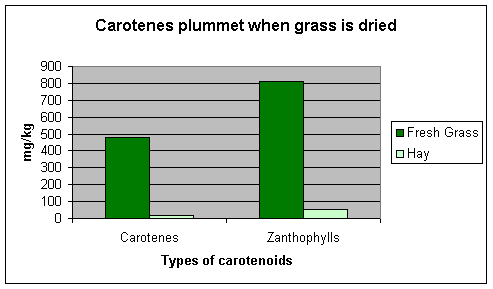
In the winter months or other times of year when the grass is dormant, even grassfarmers must rely on stored forages such as hay. But, typically, the animals are harvested in the early fall when the animals are fresh from green pasture. This insures that their meat will have its full allotment of health-enhancing vitamins. Feedlot animals never eat living grass.
(Bailey, C.A. and B.H. Chen, "Research Note: Carotene and Zanthophyll Changes During Growth and Processing of Turf Burmudagrass." Poultry Science, 1988. 67:1644-6.)
Egg yolks are the richest known source of lutein and zeaxanthin, essential vitamins not found in your multi-vitamin tablet
Eggs are gaining new respect from nutritionists, partly for their abundance of two carotenes --- lutein and zeaxanthin. These antioxidant vitamins are essential for the protection of the macula, an area of the retina that provides our best central vision. Eggs are the richest known source. "Macular degeneration," the term for damage to this area of the retina, is the leading cause of blindness in people over 55 years of age. Lutein and zeaxanthin protect the macula from the destructive effects of light. The deeper the yellow-orange color of yolks, the more lutein and zeaxanthin they contain and the more eye-protection they offer.
There is also new evidence linking lutein and zeaxanthin with a lower risk of colon cancer. According to a recent study, "Of all the carotenoids investigated, only lutein and zeaxanthin showed a protective effect against colon cancer, with an enhanced effect in younger people."
(Slattery, M. L., Benson, J., Curtin, K., Ma, K. N., Schaeffer, D., and Potter, J. D. (2000). Am J Clin Nutr 71, 575-82.)
Grassfed products supply much needed vitamin E
Researchers at the Centers for Disease Control recently determined the vitamin E status of 16,000 American men and women. Twenty-percent per cent of white Americans, 41 per cent of African Americans, and 28 per cent of Mexican Americans were deficient in vitamin E. Vitamin E deficiencies have been linked with diabetes, immune disorders, AIDS, muscle damage in exercise, Parkinson's disease, eye diseases, and lung and liver diseases. As you can see by several of the posts below, switching to the products of animals raised on grass (which is far richer in vitamin E than grain) would help prevent this widespread deficiency. (Ford, Earl S. and Sowell, Anne. "Serum alpha-tocopherol status in the United States population: findings from the Third National Health and Nutrition Examination Survey." American Journal of Epidemiology, Vol. 150, August 1, 1999, pp. 290-300.)
Medical "experts" promulgate the myth that eggs from pastured poultry are no better than supermarket eggs
Many people turn to internet websites for their health information, and few sites are as highly regarded as the Mayo Clinic Health Oasis site which professes to offer "Reliable information for a healthier life." (http://www.mayohealth.org/index.htm) In a recent posting, the Mayo Clinic experts proclaimed, "Whether hens are raised free-range or in cages has no effect on the nutrients in the eggs they lay," and, then later on in the same article, "Feed and yolk color don't alter the nutritive content of the egg."
The experts should be more thorough in their research. As you will see by the posts below and by reading Why Grassfed Is Best!, eggs from pastured poultry are higher in omega-3 fatty acids, vitamin E, and vitamin A. Meanwhile, they are lower in total fat, saturated fat, and cholesterol. In addition, there is a direct relationship between feed, yolk color, and the nutrient content of the egg. The more orange the yolk, the higher the level of health-enhancing carotenoids. Compared to supermarket eggs, eggs from pastured poultry are a vivid yellow/orange—proof of a richer store of disease-fighting carotenes.
(Bornstein, S. and I. Bartov (1966). "Studies on egg yolk pigmentation. I. A comparison between visual scoring of yolk color and colorimetric assay of yolk carotenoids." Poult Sci 45(2): 287-96.)
How researchers determine what we eat
When animals are removed from their natural habitat, they are at the mercy of humans for everything they eat. Regrettably, very little research is aimed at recreating what the animals would normally glean in the wild. Instead, the goal is to create the lowest cost diet that will maintain the highest possible production levels. This "least cost production" mentality will prevail as long as consumers remain ignorant of the many compromises involved.
For example, a team of researchers determined that "the vitamin E requirement norm of laying hens for consumer egg production is achieved at a vitamin E content of 7 mg/kg laying hen feed. The supplement of synthetic antioxidant is unnecessary." By contrast, pastured poultry have the luxury of foraging for greens that have as much as 200 mg/kg of vitamin E. This extra helping of vitamin E may not increase egg production, but it does yield healthier eggs for the consumer. Savvy consumers are becoming more aware of these invisible differences.
(Richter, G., I. Rodel, et al. (1985). "Evaluation of laying-hen feed with varied vitamin E and antioxidant supplementation.." Arch Tierernahr 35(10): 707-14.)
TLC increases meat tenderness
Many people assume that the degree of marbling in meat is a major determinant of tenderness. Not so. Marbling accounts for only 10 percent of the variability in tenderness. There are numerous other factors involved, including the amount of stress animals are subjected to prior to slaughter. Researchers in New Zealand and Australia report that beef is consistently on the tender end of the scale when pre-slaughter stress is minimized, regardless of breed. Read "The Meat Tenderness Debate."
Eggs from pastured layers are higher in omega-3 fatty acids and vitamin E
In a recent study, one group of chickens was confined indoors (the conventional system) and another was allowed to free-range. Both groups were fed the same commercial mixed diet. The chickens that were able to add grass to the menu produced eggs that that were higher in omega-3s and alpha-tocopherol (vitamin E.) Both omega-3 fatty acids and vitamin E have been linked with lower rates of cancer and cardiovascular disease in humans. (Lopez-Bote et al, "Effect of free-range feeding on omega-3 fatty acids and alpha-tocopherol content and oxidative stability of eggs." Animal Feed Science and Technology, 1998. 72:33-40.)
Red clover increases CLA levels in the milk of grassfed dairy cows
The type of grasses and legumes growing in a pasture can influence the amount of CLA in cow's milk. When dairy cows grazed pasture that contained 20 percent red clover, they produced 50 percent more cancer-fighting, fat-busting CLA than cows that grazed on grasses alone. (Search for the study titled, "Paddocks containing red clover compared to all grass paddocks support high CLA levels in milk.")
Milk from cows that graze on intensively managed pasture has fewer undesirable bacteria
Management Intensive Grazing or "MIG" is the practice of shifting livestock from paddock to paddock on a frequent basis to enhance the yield and quality of the pasture. Milk from cows raised under this system was found to be lower in bacterial count than milk from cows raised in standard confinement dairies. (Goldberg, J. J., E. E. Wildman, et al. (1992). "The influence of intensively managed rotational grazing, traditional continuous grazing, and confinement housing on bulk tank milk quality and udder health."
(J Dairy Sci 75(1): 96-104).
Cattle are smart grazers
Canadian researchers compared the nutrient value of randomly selected grass clippings with the grass the cattle themselves selected. Invariably, the cattle selected grass that was higher in protein and mineral content. Judging by their results, the researchers cautioned that a standard analysis of pasture grasses is likely to underestimate the actual amount of nutrients that cattle glean from the pasture. (J. D. Poppet al, "Nutrient selection by cattle from grass and grass/legume pastures."
(Canadian Journal of Animal Science 79 (3) 391-5. September 1999)
Pastured pigs are vitamin enriched — naturally
Pigs raised on pasture have 300 percent more vitamin E and 74 percent more selenium (a vital antioxidant) in their milk than pigs raised in confinement, according to Don C. Mahan Professor of Animal Sciences at Ohio State University. This bounty of nutrients promotes healthier litters, shorter farrowing times, and good milk let down. The pigs' meat is enriched with vitamins as well. Fortifying the pigs' diet with synthetic vitamins, the standard practice in confinement operations, does not achieve the same results because the artificial vitamins are more poorly absorbed.
(Mutetikka, D.B., and D.C. Mahan, 1993. Effect of pasture, confinement, and diet fortification with vitamin E and selenium on reproducing gilts and their progeny. J. Anim. Sci. 71:3211.)
Consumers will pay more for omega-3 enriched eggs
In a survey of 500 Texans, 60% were willing to pay $1.00 more per dozen if the eggs were rich in omega-3s. Eggs from pastured hens have 2 to 20 times more omega-3s. (The amount varies depending on the quality of the pasture and the omega-3 content of the supplemental feed.)
(Elswyk, M.E. et al, "Poultry-based alternatives for enhancing the omega-3 fatty acids content of American diets." World Rev Nutr Diet, 1998. 83:102-115.)
The excess fat on grain-fed cattle costs the meat industry billions of dollars a year
To achieve marbled beef, feedlot cattle are fed a high-grain diet. This results in a significant amount of external fat that has to be trimmed away. Consumers trim away yet more fat when they bring the meat home. In 1973, the cost of "producing, shipping, and trimming the excess fat on beef alone was more than $2 billion." One wonders how much is spent on this superfluous fat today.
(Pierce, John C., "The Federal Grading System for Animal Products.)
Wild turkeys thrive on grass, bugs, berries, seeds, and nuts
Turkeys raised on pasture have a diet that resembles their original diet. Zoologists studying wild turkeys found that "the youngsters instinctively peck at moving things - which are usually protein-rich bugs or larvae." While adult turkeys "prefer grass and other plant leaves, along with berries and bugs." For more information, read "Turkeys' Success Won't Trigger A Grouse Egress."
Sheep are the CLA winners
Dr. Gerhard Jahreis from the Institut Ernaehrung und Umwelt in Germany has studied the CLA content of human milk and milk from a variety of animals. He reports that horses have the lowest CLA content and sheep the highest. Human milk is in the middle. (Mare's milk < sow's milk < human milk < goat's milk < cow's milk < ewe's milk.)
There are fewer than 100 sheep dairy farms in the United States (we imported 66 million pounds of sheep's milk cheese in 1994, valued at $118 million.) With this new finding about CLA, perhaps more US farmers will consider milking sheep.
(Jahreis, G. et al, The potential anticarcinogenic conjugated linoleic acid in milk of different species: cow, goat, ewe, sow, mare, woman." Nutr Res 1999. 19:1541-9.)
Eating eggs does not appear to increase the risk of cardiovascular disease or stroke
Cutting back on egg consumption has been widely recommended as a way to lower blood cholesterol levels and prevent coronary heart disease. Is this valid advice? Recently, researchers took a close look at the egg-eating habits and heart health of 118,000 men and women. The scientists reported that "we found no evidence of an overall significant association between egg consumption and risk of CHD [coronary heart disease] in either men or women." In fact, they found that people who ate from 5 to 6 eggs per week had a lower risk of heart disease than those who ate less than one egg per week.
One wonders what the scientists would find if they looked at the heart health of those lucky people who eat eggs from pastured hens?
(Hu, F. B., M. J. Stampfer, et al. (1999). "A prospective study of egg consumption and risk of cardiovascular disease in men and women." JAMA 281(15): 1387-94.)
Agribusiness underestimates the consumer revolt against hormone-implanted meat
Sometimes it helps to look at an issue from the other side of the fence. Here's a paragraph excerpted from an on-line publication of the beef industry about the economic benefits of implanted synthetic hormones. "'There's probably nothing else we can do chute-side with a critter that is as economically important as a quality implant job,' says Gerry Kuhl, extension feedlot specialist at Kansas State University (KSU). For round-numbers perspective, Kuhl explains implanting calves adds 15-25 lbs. to weaning weight. A single implant in the stocker pasture is worth 15-40 lbs., while implants in the feedlot routinely serve up an extra 30-40 lbs. ... 'That's a response we can't afford to ignore, given the narrowing profit margins," says Kuhl.'"
Grassfarmers have a refreshingly different approach to encouraging growth in their livestock. Rather than implant their animals with hormones, they plant their fields with high quality forage. As in nature, the richness of the environment—not drugs—determines the growth rate of grassfed animals.
Grassfed animal products have a bonus supply of vitamin E
The chart below shows the relative amounts of vitamin E in corn and grass. As you can see, when animals are raised on fresh pasture, they get considerably more of this important vitamin. When consumers choose grassfed products, they, too get an extra helping of this immune-boosting, age-defying antioxidant. To learn more, read "Vitamin E Requirements for Protection of Dairy Cows Against Infections at Parturition."

Soft cheese has more CLA than aged cheese
All cheese made from the milk of grassfed cows is rich in conjugated linoleic acid (CLA). However, the cheese making process itself can increase or decrease this amount. In a comprehensive survey, the highest amounts of CLA were found in soft cheeses aged approximately three months. Longer aging periods reduced this highly desirable fat.
(Chin, S. F. et al (1992)). "Dietary Sources of Conjugated Dienoic Isomers of Linoleic Acid, a Newly Recognized Class of Anticarcinogens." J of Food Composition 5: 185-97.)
Finishing lambs on pasture cuts costs and enhances the quality of the meat
According to this North Carolina study, lambs raised on alfalfa pasture had "higher carcass weight average dressing percentage, yield grade and carcass value (P<<.05) than those fed on the grain-based ration. . . The high quality carcasses were produced at a much reduced cost as compared to traditional feeding management." All told, the net return for the lambs raised on pasture was $15.97/head higher. For more details, read Use Of Alfalfa Pasture For Finishing Lambs.
In a second grazing experiment, meat from lambs finished on pasture had 14 percent less fat and 8 percent more protein than grain-fed lambs. Click here for details of this study.
Turkeys make CLA, too
CLA (conjugated linoleic acid) is highest in products from grazing animals on a diet of fresh pasture, and it is very low in non-ruminants such as chickens and pigs. But turkeys appear to be an exception, having about 2.5 mg of CLA per gram of fat. (For comparison, chickens have 0.9 and pigs 0.6 mg. per gram of fat.) To date, no one has tested the CLA content of turkeys raised on pasture rather than in confinement, an experiment that begs to be done. It is possible that turkeys with a significant amount of greens in their diet will have even more CLA.
(Chin, S. F. et al. (1992)). "Dietary Sources of Conjugated Dienoic Isomers of Linoleic Acid, a Newly Recognized Class of Anticarcinogens)
Cows that graze on "ecologically managed" pasture may have more CLA
Raising dairy cows on fresh pasture instead of a standard dairy diet increases the CLA content of their milk five-fold. Now there is some evidence that grazing on organic pasture may boost the CLA even further. In a study conducted in Germany, cows on organic pasture had almost twice as much CLA as those grazing on a nearby, non-organic farm. More research is needed.
(Jahreis, G. et al. (1997). "Conjugated linoleic acid in milk fat: high variation depending on production system." Nutrition Research 17(9): 1479-1484.)
Finishing cattle on fresh pasture increases the omega-3s in their meat more than fishmeal
Researchers have been laboring diligently to try to increase the omega-3 content of beef. In a 1998 study, letting cattle forage on fresh pasture alone resulted in higher levels of omega-3 fatty acids than feeding them a diet that contained 10% fishmeal for 168 days.
For more information, see: I.B. Mandell et al, The Return of Omega-3 Fatty Acids into the Food Supply, World Rev Nutr Diet, 83:144-59, 1998.
Once again, Nature's original plan is proving to be the better plan.
Raising pigs on pasture reduces the risk of fostering antibiotic-resistant bacteria
A herd of pigs that had not been exposed to antibiotics for 126 months was divided into two groups and either housed on pasture or in standard indoor units. Over a 20-month period, fecal coliforms from both groups of pigs were tested for resistance to standard antibiotics. Samples taken from the pastured pigs were far less likely to be antibiotic resistant. "The data from this study suggest that exposure to antibiotics is not the only factor that influences the prevalence of bacteria that are resistant to single and multiple antibiotics in the feces of domestic animals and that considerable research is needed to define the factors influencing antibiotic resistance in fecal bacteria."
Langlois, B. E., K. A. Dawson, et al. (1988). "Effect of age and housing location on antibiotic resistance of fecal coliforms from pigs in a non-antibiotic-exposed herd." Appl Environ Microbiol 54(6): 1341-4.
Meat from grassfed cattle is four times higher in vitamin E
In addition to being higher in omega-3s, CLA, and beta-carotene, grassfed beef is much higher in vitamin E. The graph below shows vitamin E levels in meat from: 1) feedlot cattle, 2) feedlot cattle given high dose supplements of vitamin E (1,000 IU per day), and 3) cattle raised on fresh pasture with no added supplements. The meat from the pastured cattle is four times higher in vitamin E than the meat from the feedlot cattle and, interestingly, almost twice as high as the meat from the feedlot cattle given vitamin E supplements. The reason for the very high vitamin E content in the meat of grassfed cattle is the very high vitamin E content in fresh grass. (Scan down for earlier postings on vitamin E levels in animal feed.)
In humans, vitamin E is linked with a lower risk of heart disease and cancer. This potent antioxidant may also have anti-aging properties. Most people tend to be deficient in vitamin E.
("Dietary supplementation of vitamin E to cattle to improve shelf life and case life of beef for domestic and international markets." G.C. Smith Colorado State University, Fort Collins, Colorado 80523-1171)

